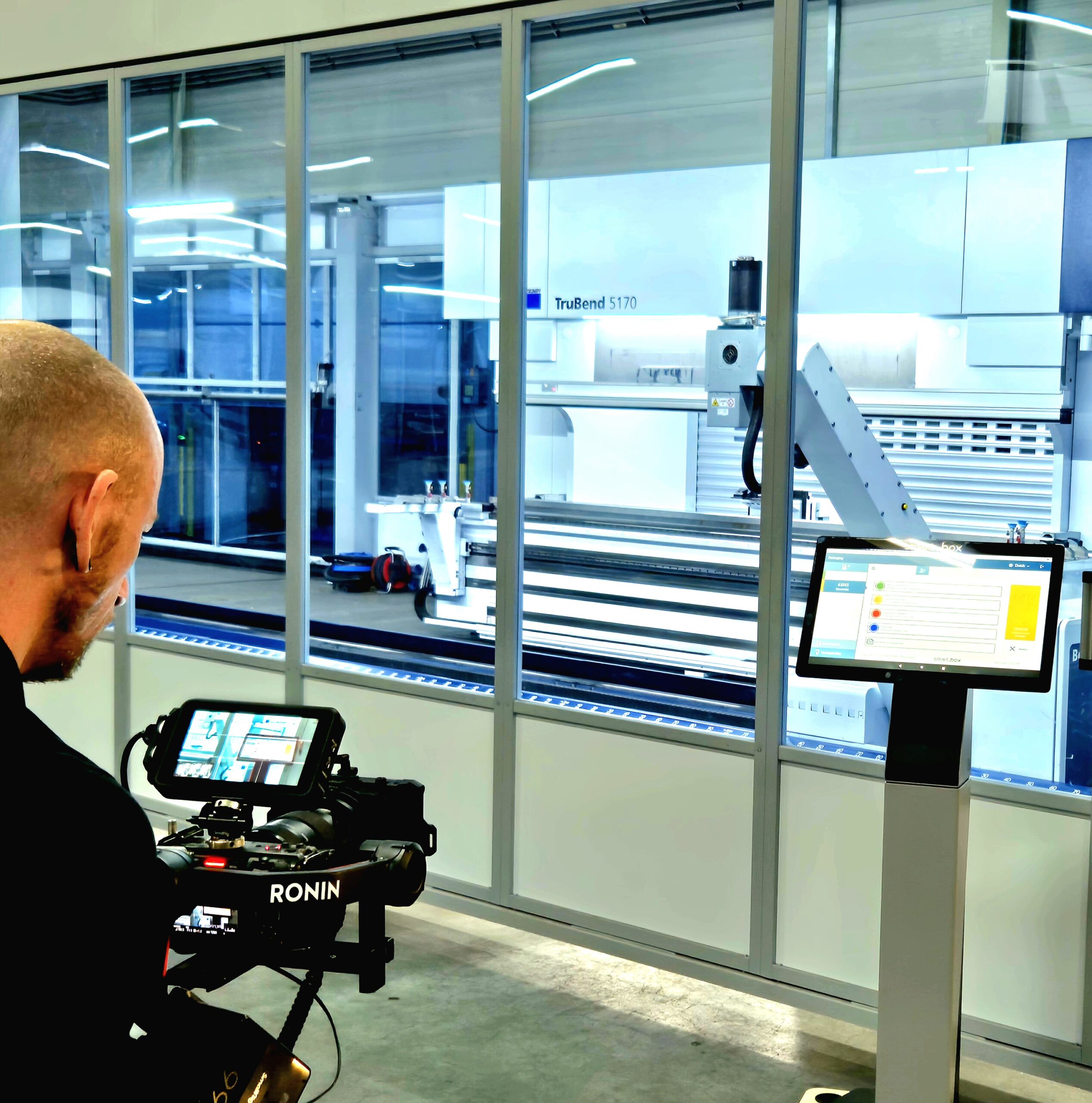
Everyone is familiar with the lights on machines, where the color indicates the machine’s status. You can apply this same principle to a manual workstation! That way, you give your employees a few extra 👀
Think, for example, of an assembly line or manual production (with or without machinery). The employee then indicates whether he or she is engaged in production 🟢 or whether there is a planned 🟡 or unplanned 🔴 activities.
This way, immediate colleagues and/or support departments can help when needed. Examples include logistics (pickup/delivery), quality assurance, or a supervisor.
If the light turns 🔵, it means there is an immediate request for assistance. A message is sent to the appropriate person or department via the touchscreen, and the light serves as an additional visual cue.
Just one glance at the floor shows us how we’re doing and where we can help each other 🤝
Related News
Why that one sick day throws your entire weekly schedule into chaos.
Your schedule looks perfect on paper. But then someone calls in sick. Or a machine breaks down. Even if you’ve gone over all the orders for the coming week with your planner(s), you might have to start all over again the next day. The result: the delivery time you confirmed to the customer can’t be met without taking the right action.
One (moving) picture speaks more than 1000 words. That’s why we’ve created an introductory video that explains the essence of smart.box and its many possibilities.